2026-11-13 ·
When Is Mosquito Season in Beaufort and the Sea Islands?
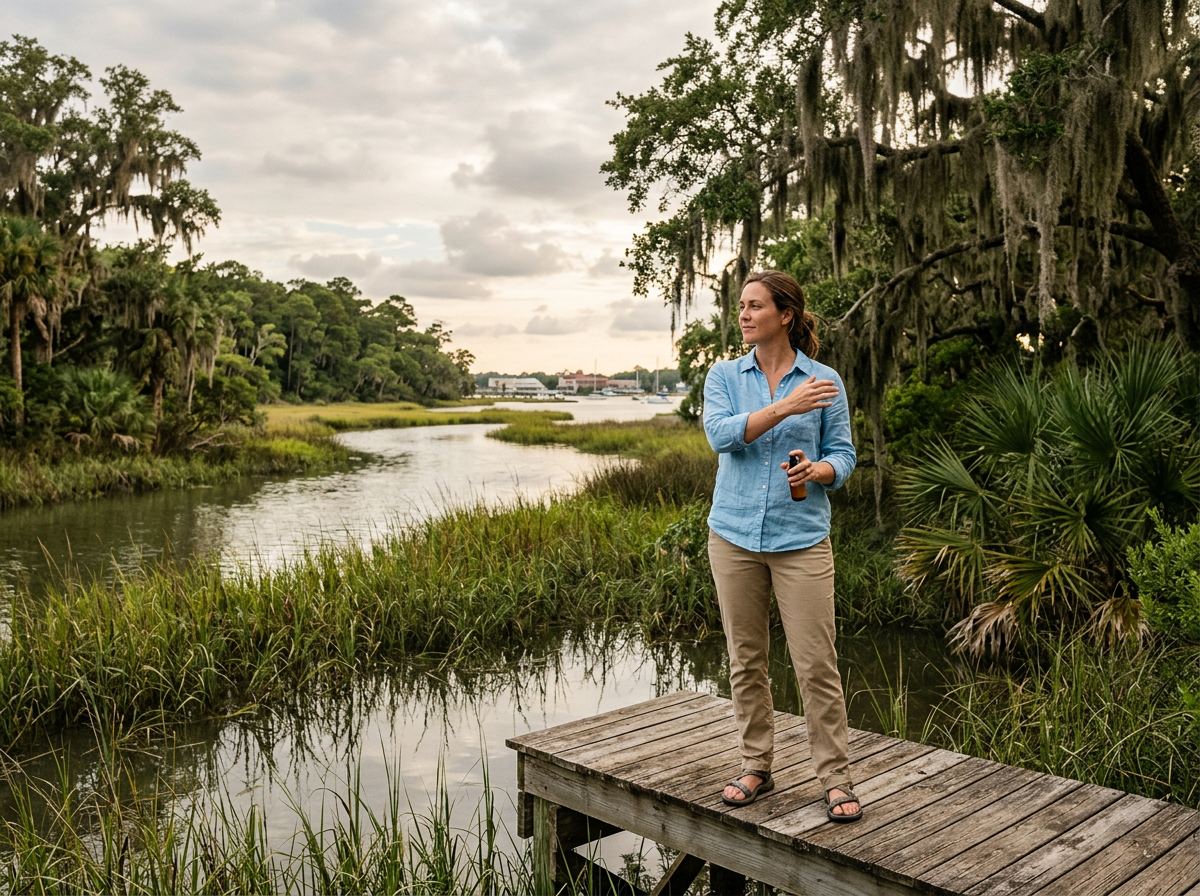
Mosquito season in Beaufort and the Sea Islands runs from March through November. The humid subtropical climate keeps temperatures warm enough for activity across most of that window, with peaks tied to rainfall, tides, and standing water on individual lots.
Peak Months and Daily Activity Patterns
Mosquito pressure builds quickly once daytime highs reach the low 70s in early spring. Salt marsh mosquitoes and Asian tiger mosquitoes become noticeable by late March in neighborhoods such as The Point and Spanish Point. Activity stays elevated through October, then tapers as nights cool in November. Dawn and dusk remain the busiest times, though Asian tiger mosquitoes also bite during daylight hours in shaded yards. Our technicians time barrier treatments to these patterns so residual material stays effective between visits. Our tick and flea yard treatment page explains how we handle this on a local lot.
How Local Climate and Tides Extend the Season
King tides and summer thunderstorms regularly flood high marsh and drainage swales around Port Royal Sound and the Beaufort River. These events create fresh breeding sites that hatch within days. The long warm season, combined with near-daily afternoon storms, keeps larvae and pupae developing from spring into late fall. Homeowners along Battery Creek or the Coosaw River often notice renewed activity after each high-water event. Checking gutters, plant saucers, and boat covers after storms helps limit new hatches on individual properties. Yards in Lady's Island deal with this regularly.
Property Features That Prolong Mosquito Presence
Raised Lowcountry homes on piers, deep porches under live oaks, and marsh-front docks provide shaded resting spots that shelter adult mosquitoes. Crawl space vents, ivy beds, and tree holes in live oaks hold moisture and allow daytime hiding. Tidal flooding on lots in Spanish Point or Higginsonville can leave water in drainage ditches that cannot be drained. Our seasonal mosquito program targets these exact locations with backpack mist blowers and larvicide applications where water persists. The same applies to properties in Mossy Oaks.
What Homeowners Can Check on Their Own Lots
Walk the yard after rain or king tides and empty any container that holds water for more than a few days. Pay special attention to tarps, kayaks, dock boxes, and bromeliads. Trim shrub beds and ivy to reduce shaded resting areas. These steps do not replace professional treatment but reduce the number of breeding sites that need attention. Readers can also review the standing water checklist after a Lowcountry storm or king tide for a more detailed list of common problem spots. Homeowners in Burton ask us about this often.
Working With Private Treatment Programs
Beaufort County Mosquito Control handles public roadways and larger areas by truck and aircraft, yet that work leaves individual yards, porches, and docks untreated. Our mosquito barrier treatment and seasonal mosquito program focus on the shaded leaf undersides, shrub beds, and standing water that county efforts do not reach. Technicians inspect for larvae in retention ponds and swales, then apply targeted materials on a schedule that matches local tidal cycles. Homeowners in Lady's Island, Mossy Oaks, and Burton often combine these visits with routine yard maintenance to keep pressure lower throughout the March-to-November window.